A concert hearing plan: choose distance, breaks, and protection in advance
Make the venue plan before the music starts so comfort does not depend on a last-minute decision.
Choose the part of the event you can control
The CDC's hearing-loss prevention guidance emphasizes turning sound down, moving away, taking breaks, avoiding noisy situations, and using adequate protection when noise cannot be avoided. At a concert, you may not control the sound system, but you can choose where to stand and whether to remain in a particular area. Look at the venue layout before attending and identify a quieter place outside the main sound field. Discuss the plan with companions so a pause does not become a disagreement. The goal is enjoyment with choices available throughout the event, not endurance of the loudest location.
Pack appropriate protection beforehand
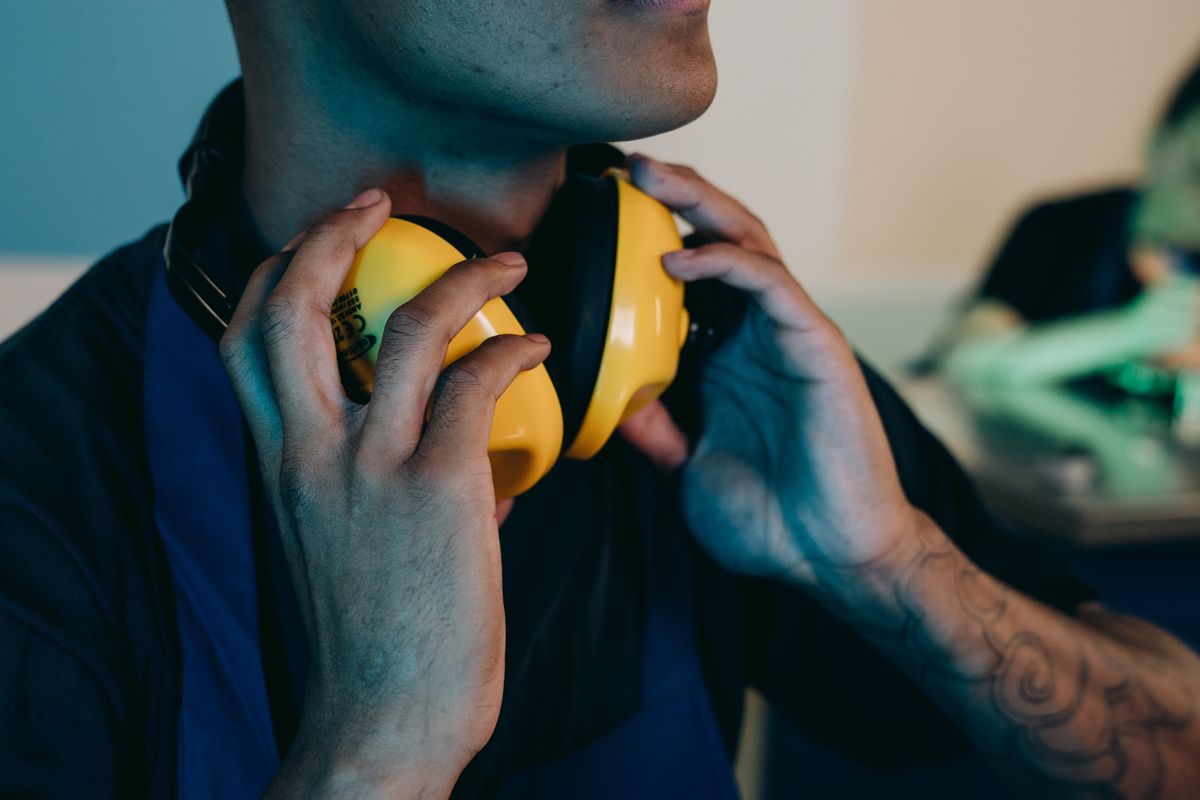
Choose rated hearing protection suitable for the event and practice fitting it using its instructions. Keep it accessible rather than buried under jackets or left in the car. If fit is difficult, seek advice before the evening or reconsider the setting. Do not count ordinary earbuds or headphones as equivalent to a hearing protector. For anyone with a current ear condition or recent procedure, ask their clinician which activities and equipment are appropriate. A small preparation step is easier to complete at home than when a crowd is moving and the music has already begun.
Select your position deliberately
Avoid choosing a spot directly beside a loudspeaker just because it offers an unobstructed view. If the sound seems uncomfortably intense, move away rather than waiting for a favorite song to end. Keep exits and the venue's safety arrangements in mind when selecting a place. A workable group plan might be a less intense position with a clear meeting point if people become separated. No single position should be declared safe without proper assessment. Your own practical choice can still reduce avoidable proximity and make leaving the area easier when you need to.
Schedule a real quiet break
Agree on a break point and spend that time away from the loud sound rather than replacing it with loud headphone audio. Check in with companions about comfort, especially if someone is attending their first event or has communication needs. Use a quiet area for longer conversation rather than repeatedly taking protection off near the speakers. If the venue offers limited options and the sound remains uncomfortable, shorten the visit. A plan is useful only if you are willing to act on it. Leaving early can be a straightforward decision about conditions rather than a failure to enjoy the event.
Respond to symptoms appropriately
After the event, avoid another loud session and seek medical advice for persistent hearing concerns or ringing. A sudden hearing drop needs prompt assessment; do not assume it is an ordinary temporary after-effect that must be endured. Note the timing and exposure for the clinician, without delaying the contact to measure sound levels retrospectively. Before the next event, review which practical choices worked and which were difficult. The best routine combines suitable protection with distance, reduced duration, and a willingness to change the plan when the venue is louder or less manageable than expected.
Sources & further reading
Source links support the factual context. Practical examples and suggested workflows are original editorial guidance. Sources checked October 5, 2026.
Spotted something we should correct? Send a correction. Read our editorial policy.