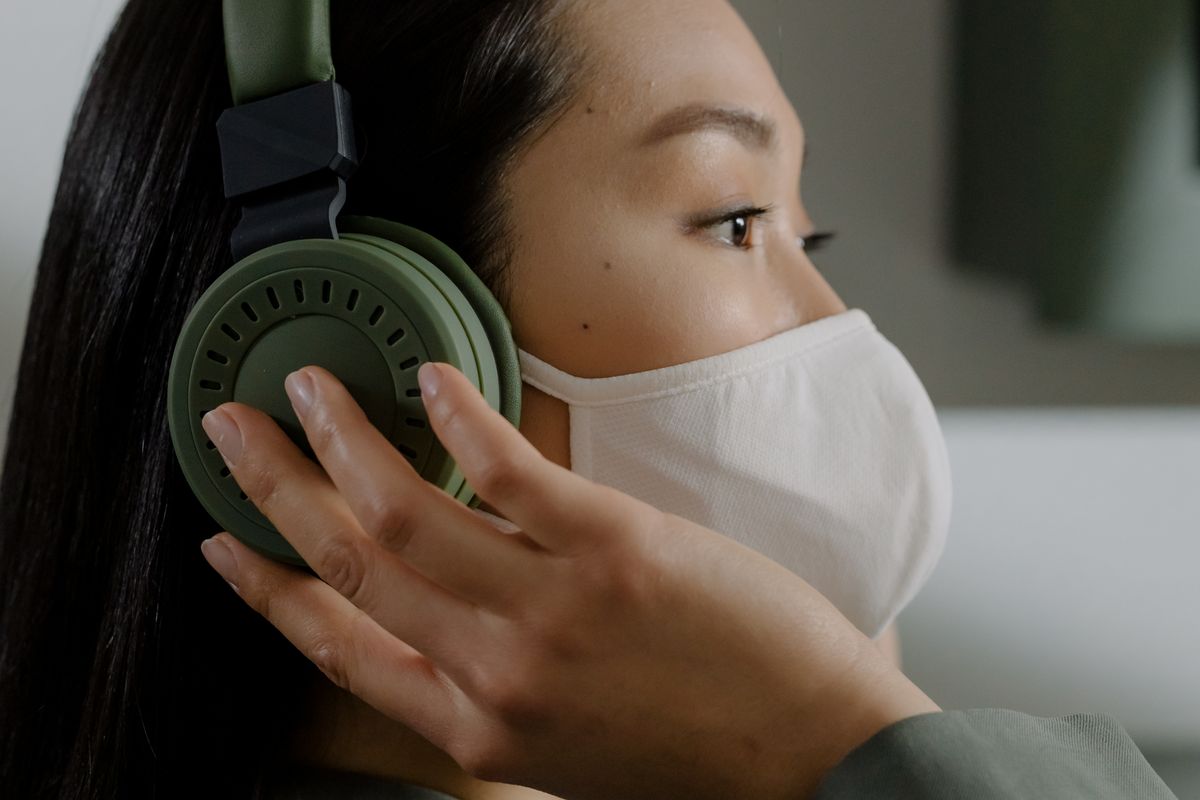
Hearing protectors: practice the fit before the noisy activity
Choose protection you can wear consistently and learn its supported fitting method.
Choose for the actual activity
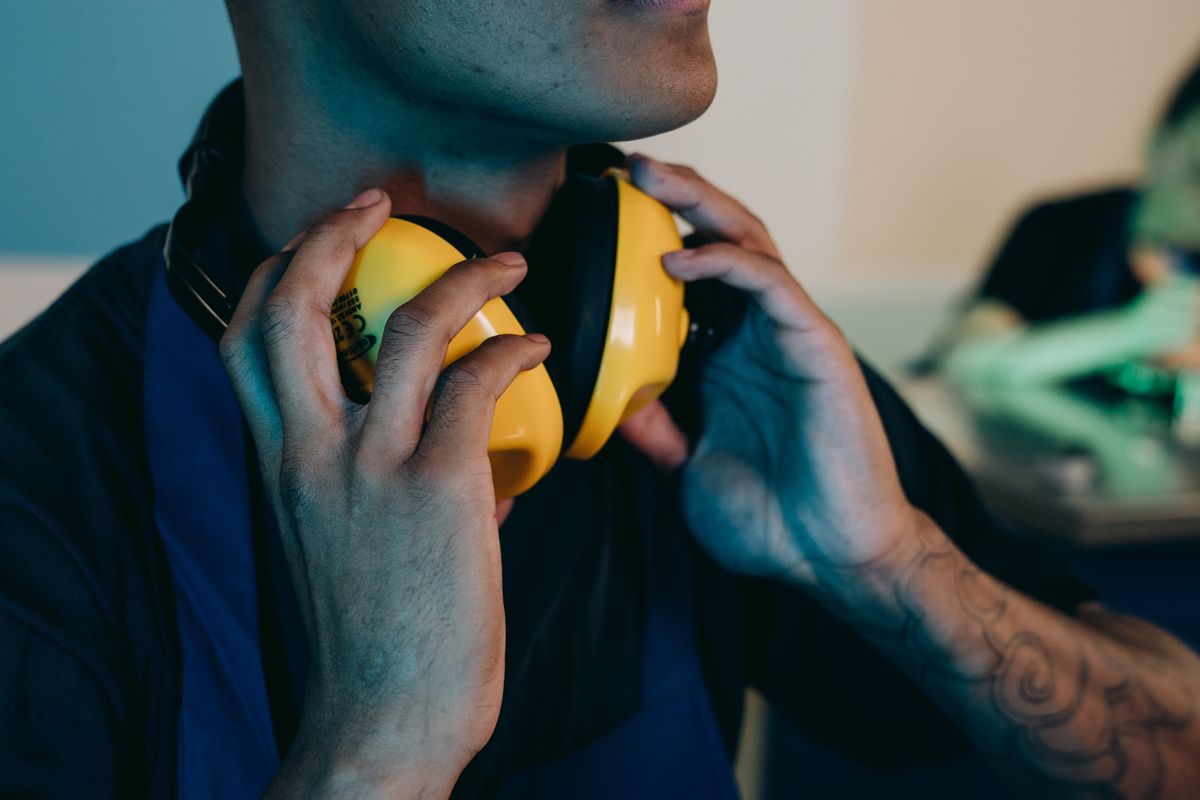
Earplugs and protective earmuffs reduce sound exposure when correctly selected and worn. NIDCD's hearing-protector guidance emphasizes comfort, correct use, and the ability to communicate without removing protection. Identify the activity first: a workshop, music rehearsal, sporting event, or another noisy setting. The right choice needs to suit that setting and the person wearing it. Ordinary winter earmuffs and consumer headphones are not interchangeable with rated hearing protection. If ear disease, a perforation, or recent treatment affects what you can wear, ask a hearing professional about an appropriate option before the activity.
Learn the product's instructions calmly
Read the manufacturer's fitting instructions and use the NIDCD demonstration relevant to the protector type. Practice in a quiet place where you have time to make adjustments. Do not force a plug that causes pain or seems unsuitable for your ear. Check how earmuff cushions sit with glasses, hair, or other equipment. If the arrangement changes at work, ask for a fit check rather than assuming a previous fit still applies. A short calm practice is easier than learning at the edge of a loud crowd, where instructions are harder to hear and patience may be limited.
Keep the whole arrangement compatible
Think about everything worn at the same time: glasses, helmet, head covering, communication equipment, and the protector. Ask the responsible safety professional how those items should work together in a workplace. For recreation, inspect the fit before entering the noisy area and plan a quieter place for conversations. NIDCD notes that even briefly removing protection in a very loud environment can create risk. An uncomfortable setup that is repeatedly taken off may be less useful than a suitable alternative worn correctly. The test is whether the protection works with the real activity, not only in isolation.
Prepare for maintenance and spares
Follow the product instructions for cleaning, inspection, replacement, and storage. Keep reusable protectors in an appropriate case and check cushions or tips for wear. For a planned event, pack them before leaving rather than hoping to buy something at the venue. If disposable products are part of your arrangement, bring suitable spares and keep them clean. Do not share inserts casually. A practical example is keeping the workshop's protection beside the safety glasses, with a reminder to inspect both before starting. The routine reduces the chance that inconvenience becomes the reason protection is skipped.
Review comfort and communication
After using the protector, note whether it remained comfortable and whether you could follow the activity's communication and warning requirements. Seek professional advice if fit is difficult or the setting has complex safety needs. Do not use the package rating as a precise measurement of the protection achieved on your own ears. Move away or reduce noise whenever possible as part of the overall plan. A useful protector is one you understand, can maintain, and can wear correctly throughout the relevant exposure, with a quieter alternative available when the setting becomes difficult to manage.
Sources & further reading
Source links support the factual context. Practical examples and suggested workflows are original editorial guidance. Sources checked October 5, 2026.
Spotted something we should correct? Send a correction. Read our editorial policy.