Protecting a child’s hearing at an event: rehearse the routine together
Choose a suitable fit, a quieter escape route, and an adult who will notice discomfort.
Make the plan before buying tickets
NIDCD advises avoiding loud sound where possible and using suitable protection when loud exposure cannot be avoided. For a child, think through the venue, likely duration, seating, and whether you can leave for a quieter place. A loud event may not be appropriate simply because protection is available. Discuss the child's preferences and ability to communicate discomfort. Decide which adult will take responsibility for breaks and an early exit if needed. Planning beforehand avoids making an overwhelmed child argue for a pause while the adults are absorbed in the event.
Choose child-appropriate equipment
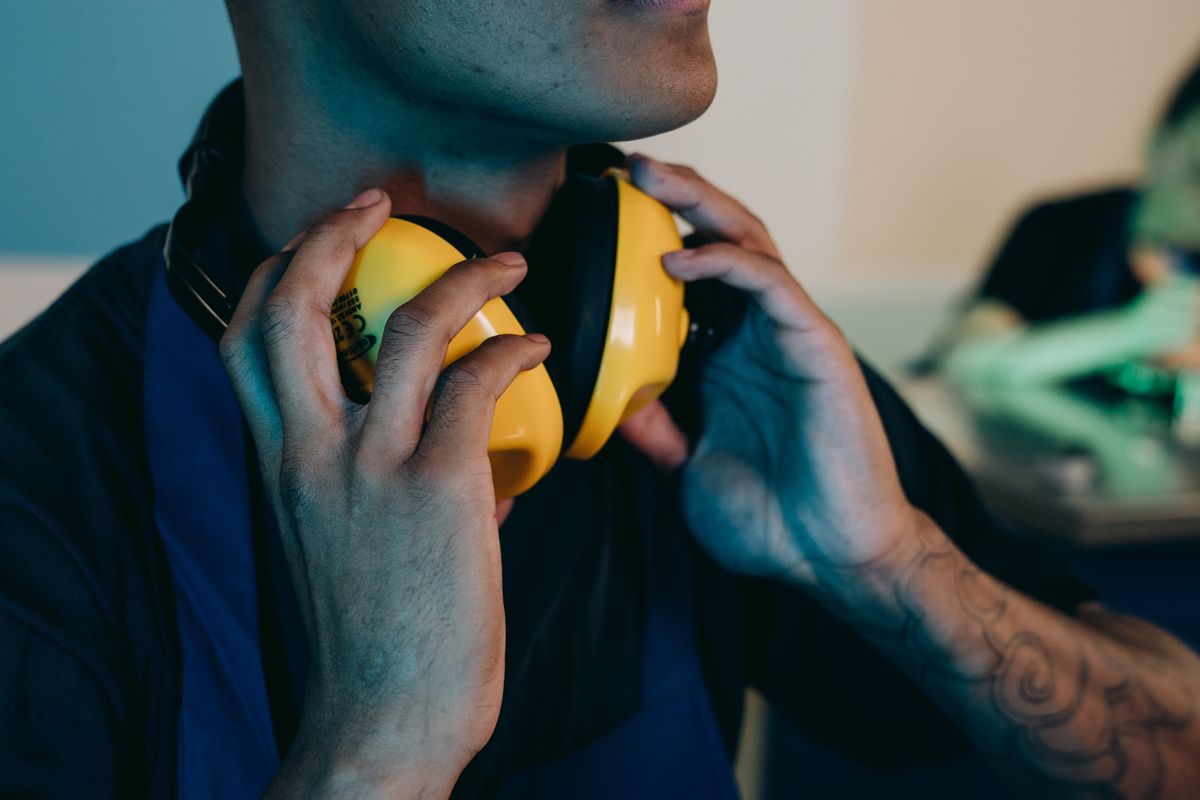
NIDCD notes that protectors need a suitable size and fit, and that protective earmuffs can be easier for young children than plugs. Check the specific product instructions and age suitability. Do not treat ordinary fashion earmuffs as hearing protection. If the child has an ear condition or recent procedure, ask their clinician what is appropriate. Let the child try suitable equipment in a quiet familiar place and explain what it is for. Comfort matters because a protector that is painful or continually removed will not support the intended routine during the event.
Check the fit with other items
Inspect how the protector fits with glasses, hairstyle, a hat, or any other equipment. NIDCD explains that gaps can reduce earmuff effectiveness. Ask the child to tell you if something pinches or feels loose. Do not solve a poor fit by tightening excessively or forcing a plug. If you cannot obtain a suitable arrangement, reconsider the activity or seek professional advice. Practicing at home also teaches the child how to ask for help without waiting until discomfort becomes severe. Keep the explanation simple and repeatable so another caregiver can support the same plan.
Agree on a signal and quiet place
Choose a clear signal the child can use when they want a break, and identify where you can move away from the sound. Practice the signal before leaving home. Carry the necessary protection in an accessible bag and put it on before entering the noisy area. Avoid having the child remove it repeatedly for ordinary conversation; move to a quieter place when practical. A worked plan might include a quieter seat, a short initial stay, and a planned pause before deciding whether to continue. The adult's role is to notice and act, not just to pack equipment.
Review the experience afterward
Ask what was comfortable and what should change next time. Model the same hearing habits yourself so protection is a shared routine rather than a rule imposed only on the child. Seek clinical advice if hearing concerns or persistent ringing occur, and seek prompt assessment for a sudden hearing change. Keep small parts and equipment stored safely according to product instructions. The successful event is one the child can enjoy with appropriate protection and an easy exit plan. Willingness to leave or shorten an activity is part of thoughtful planning when the actual conditions differ from expectations.
Sources & further reading
Source links support the factual context. Practical examples and suggested workflows are original editorial guidance. Sources checked October 5, 2026.
Spotted something we should correct? Send a correction. Read our editorial policy.