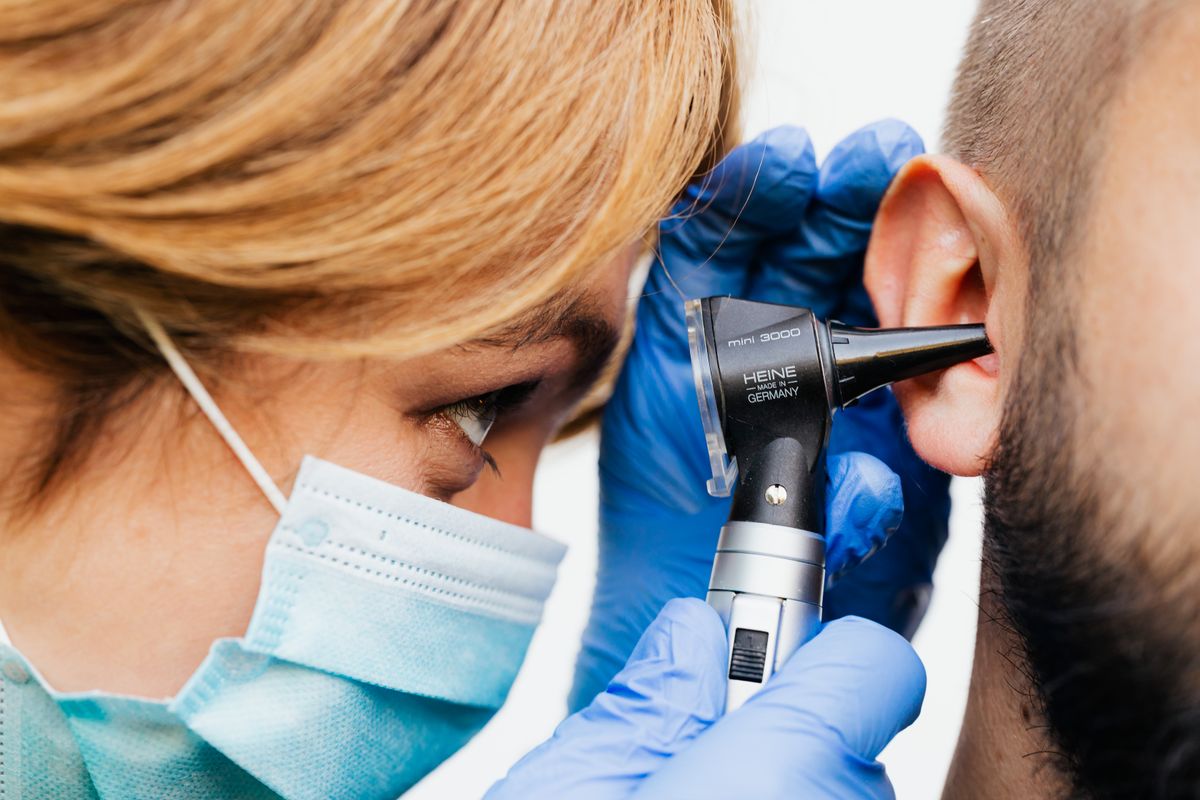
A suspected ruptured eardrum: protect the ear and arrange assessment
Hearing change and drainage need a clinical assessment rather than an improvised home treatment.
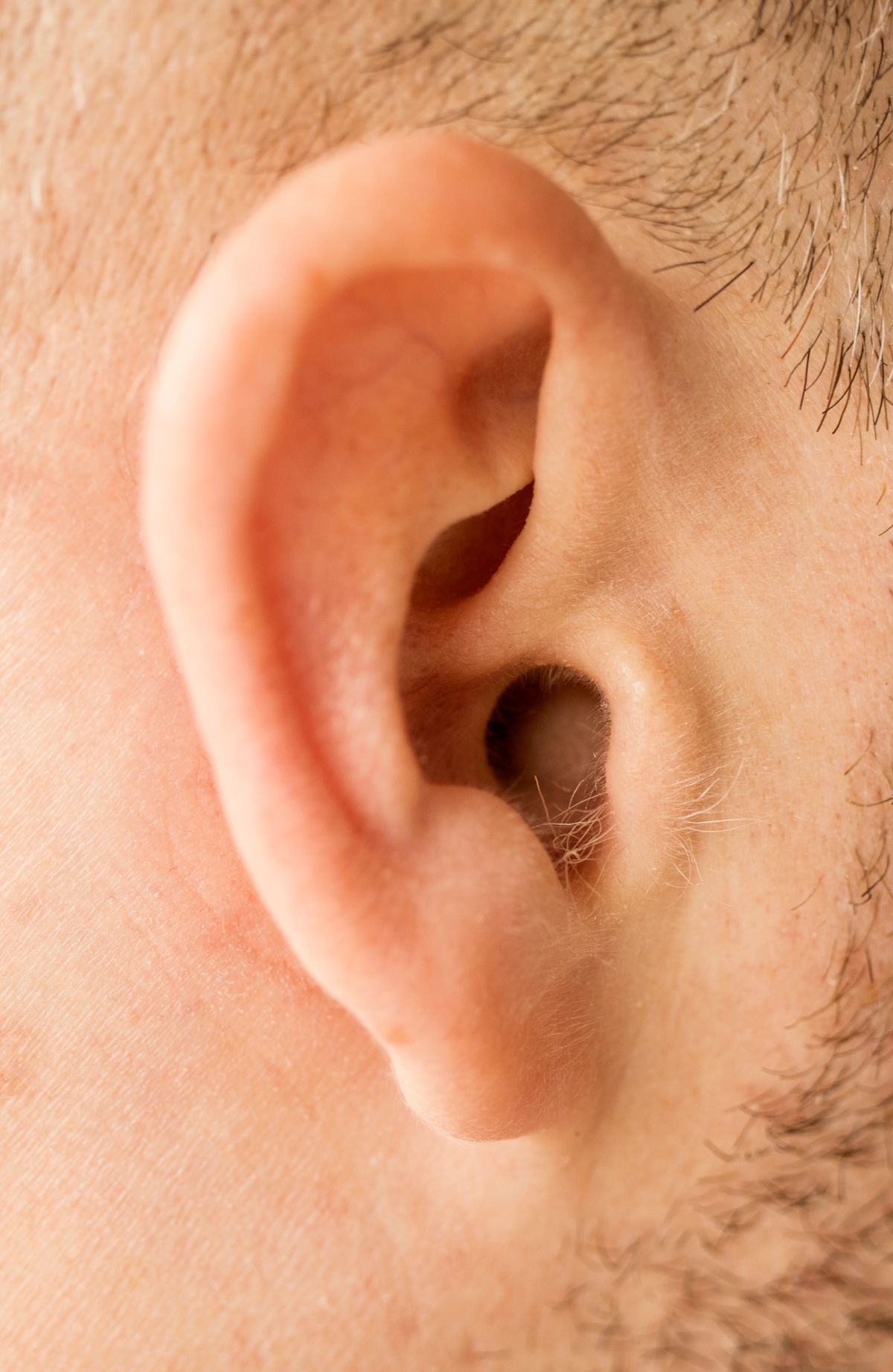
Recognize a possibility rather than diagnose it
A perforated eardrum is a hole or tear in the membrane separating the ear canal from the middle ear. NHS guidance describes possible hearing change, pain, ringing, drainage, and dizziness, sometimes after infection, injury, loud sound, or pressure change. Those symptoms overlap with other conditions, so a feeling of a burst ear is not a confirmed diagnosis. Write down when it began and what happened immediately beforehand. If hearing changed suddenly, seek urgent medical assessment instead of waiting to see whether wax treatment helps. Use the local urgent-care service; in the UK, contact an urgent GP service or NHS 111.
Keep treatment choices with a clinician
Do not put objects or unapproved drops into the ear while a perforation is suspected. Products meant for routine wax care may be inappropriate when the eardrum is damaged. Tell the clinician about ear surgery, tubes, previous perforations, and any drops already used. Keep packaging available so the product can be identified accurately. Avoid attempting to inspect the eardrum with a household tool or asking someone to probe the canal. The useful next step is an examination and a tailored plan, rather than trying several remedies that can obscure what happened or introduce additional irritation.
Plan ordinary washing safely
NHS advice is to keep a perforated ear dry and avoid swimming until it heals. Ask the clinician to demonstrate suitable protection for washing and clarify whether your usual routine needs adjustment. Put a reminder near your toiletries so you do not automatically direct shower water at the affected ear. If someone helps with hair washing, explain the restriction beforehand and agree on a simple approach. Do not push protective material deep into the canal. Practical planning matters because protecting the ear during a rushed morning is easier when the necessary instructions and supplies are ready.
Keep a brief symptom record
Use a small dated note to record pain, drainage, perceived hearing, and the instructions you were given. This is a communication aid, not a way to decide whether the eardrum has closed. Avoid repeated loud listening tests or deliberate pressure changes to check progress. Ask how prescribed treatment should be used and whom to contact if symptoms worsen. If a follow-up appointment is planned, keep its date visible. Bring the record to review, especially if symptoms vary and it is hard to remember which day a change occurred.
Confirm the recovery plan
The NHS says many perforations heal within about two months, but that is not a guarantee for an individual ear. Arrange review if symptoms are not beginning to improve after a few weeks, or sooner for new or worsening symptoms under the advice you received. Ask when swimming, devices worn in the ear, and other usual activities can resume. A repair operation has different restrictions from an untreated perforation, so obtain individualized travel advice after surgery. Recovery is best judged through the agreed clinical follow-up, with a clear plan for protecting the ear while it heals.
Sources & further reading
Source links support the factual context. Practical examples and suggested workflows are original editorial guidance. Sources checked October 5, 2026.
Spotted something we should correct? Send a correction. Read our editorial policy.