Dizziness and ear symptoms: make the appointment safer and clearer
Describe the movement sensation and protect yourself from falls while arranging assessment.

Describe what dizziness means to you
Dizziness can mean spinning, unsteadiness, faintness, or another sensation, and NIDCD notes that balance problems can have several causes beyond the ear. Describe the sensation rather than labeling it vertigo automatically. Record when it starts, how long it lasts, and whether head position, standing up, or another action precedes it. Note hearing change, pain, headache, injury, or other symptoms. If the episode is new or severe, seek prompt medical advice about the appropriate route. Do not assume that ear fullness establishes an inner-ear diagnosis or that a familiar symptom guarantees the same cause as last time.
Reduce immediate fall risk
Sit down or use support when you feel unsteady and ask for help with tasks that become unsafe. NIDCD advises discussing driving safety and fall prevention with a clinician. Avoid walking through an unlit room to fetch a remedy during an episode. Make frequently used items accessible and keep routes clear while arranging care. If you need to travel to an appointment, choose transport that does not require you to drive while dizzy. These adjustments are practical protections, not a treatment for the cause. The person experiencing symptoms should be able to ask for assistance without embarrassment.
Build a short episode record
For each significant episode, write the time, duration, sensation, trigger if any, and accompanying symptoms. Include medicines and recent changes for review. A useful entry might say that turning over in bed triggered brief spinning, rather than that you had a bad ear day. Do not repeatedly provoke symptoms to produce a more detailed record. The goal is to capture ordinary observations safely. If someone witnessed an episode, their factual description can help, but avoid turning their interpretation into a diagnosis before the clinician has assessed the history.
Ask before trying maneuvers
Some diagnosed balance conditions are managed with specific movements or rehabilitation, but the appropriate plan depends on the cause and the person's health. NIDCD describes clinician-directed repositioning for BPPV and individualized vestibular rehabilitation among options. Do not follow a video as a substitute for assessment, especially with injury, neck limitations, or an uncertain diagnosis. Ask the professional to demonstrate any recommended exercise and explain when to stop. A written plan and a supervised first attempt are more useful than collecting several conflicting routines and trying them all during a distressing episode.
Leave with a safety and follow-up plan
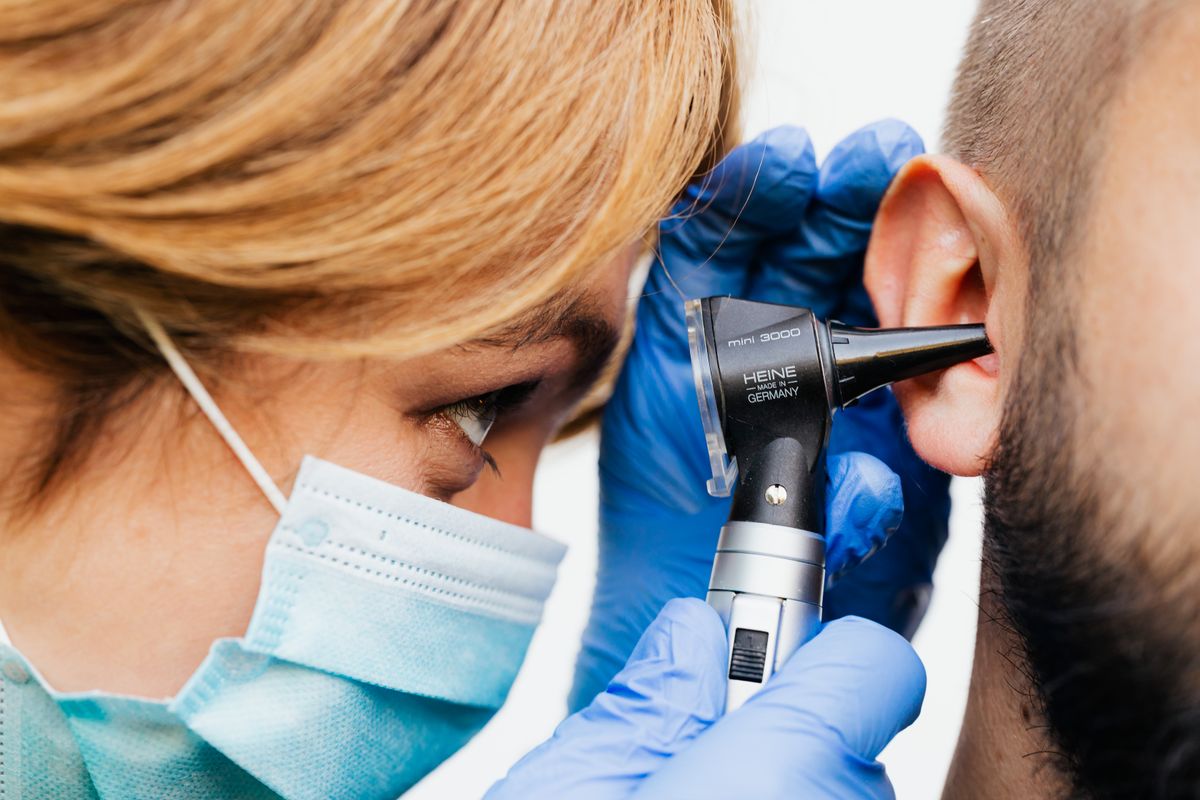
Ask what the working diagnosis is, which tests or referrals are needed, and what symptoms should prompt urgent reassessment. Confirm whether driving, work at height, swimming, or operating machinery should be paused in your situation. Plan support for essential tasks while symptoms are being evaluated. Bring the episode record to follow-up and report whether the proposed strategy changes daily function. A successful appointment does more than attach a name to dizziness: it gives you a safer routine, understandable instructions, and a clear route to reassessment if the pattern changes.
Sources & further reading
Source links support the factual context. Practical examples and suggested workflows are original editorial guidance. Sources checked October 5, 2026.
Spotted something we should correct? Send a correction. Read our editorial policy.