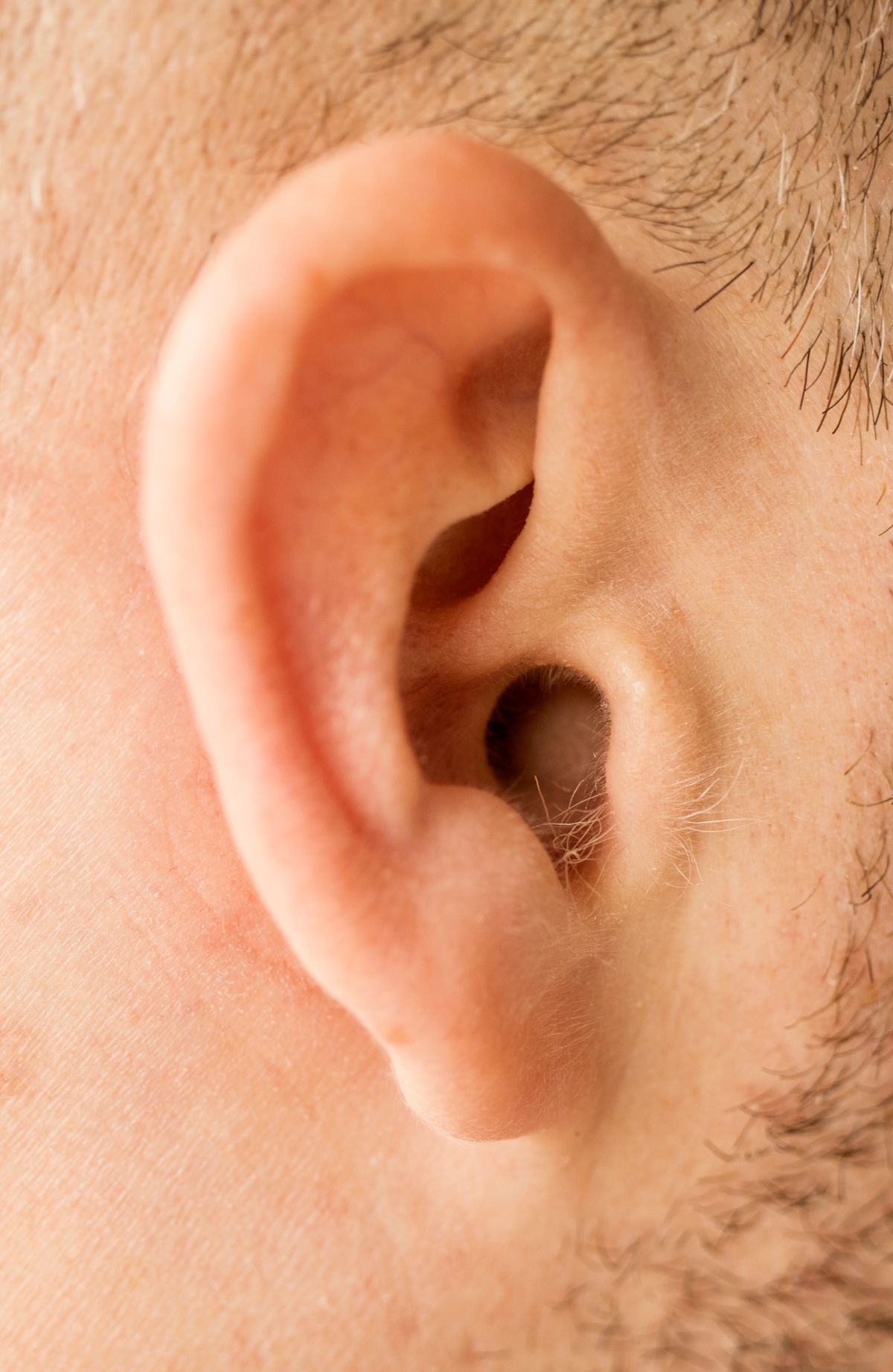
Ear infection symptoms: decide which level of help to seek
Use the symptom pattern and medical history to arrange the appropriate assessment.
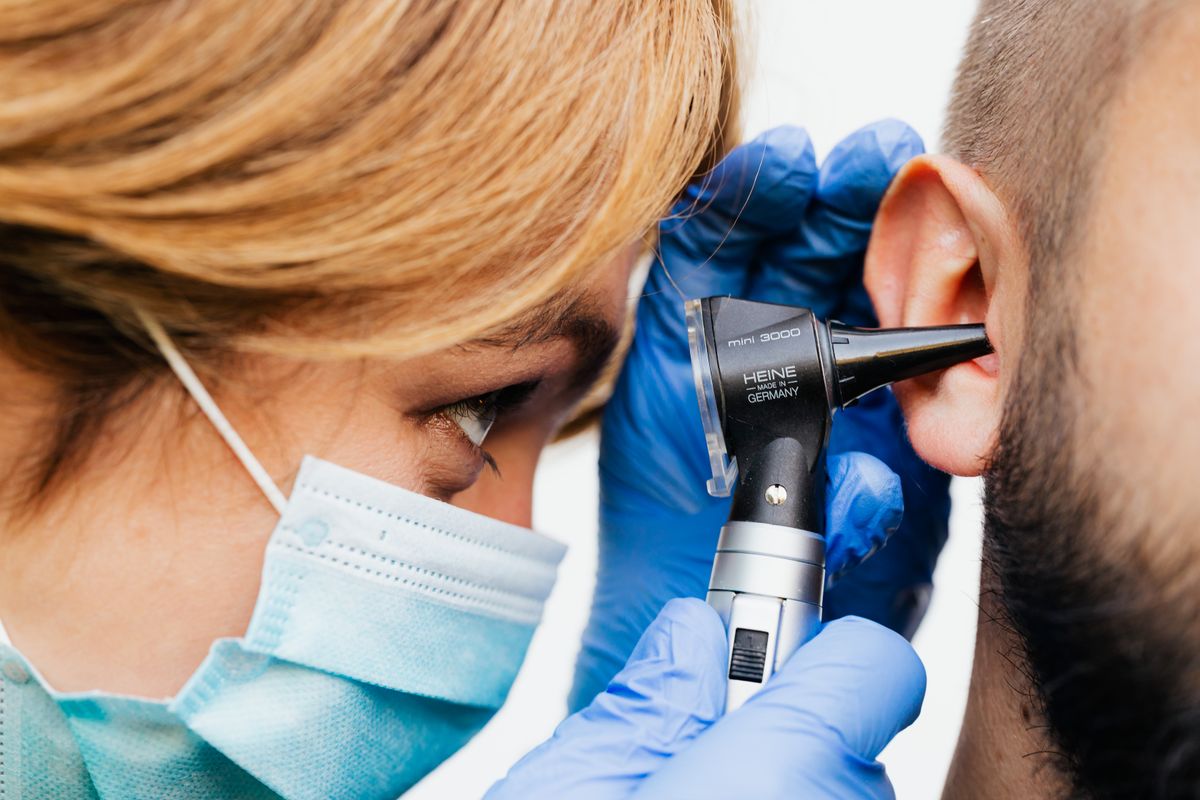
Collect a short description
Ear pain, fullness, itching, drainage, and hearing difficulty can accompany an ear infection, but an examination is needed to determine the cause and location. Record the onset, affected side, fever if measured, and whether the person can manage usual activities. For a child, describe eating, behavior, and any hearing or balance changes rather than assuming ear pulling alone proves infection. Keep the description short enough to communicate clearly when booking care. If several people help care for the child, use one shared factual note so the history does not become contradictory as it passes between adults.
Use urgent advice when relevant
NHS guidance recommends urgent GP or NHS 111 help for infection symptoms accompanied by issues such as drainage, new hearing loss, swelling around the ear, marked illness, high temperature, dizziness or vomiting, or certain medical vulnerabilities. It also specifies urgent help for a baby under twelve months with pain in both ears. Tell the service about diabetes, weakened immunity, and significant underlying conditions. These details can change the appropriate route. Outside the UK, use the local urgent-care equivalent. Do not let a statement that many infections improve by themselves override the specific symptoms that require assessment.
Choose the routine route when appropriate
For suspected infection in a baby under twelve months, NHS advice is to see a GP. Persistent earache beyond three days or repeated infections also deserves review. UK pharmacy services may assess eligible children aged one to seventeen under current service arrangements; confirm the local route rather than assuming every pharmacy offers identical care. When booking, say what has changed and how long it has been present. A practical example is pain improving but hearing remaining noticeably different: report both facts so the appointment addresses the remaining problem rather than only the symptom that has eased.
Protect the ear while waiting
Keep water and shampoo out of the affected ear and avoid swimming during the infection, following the care advice you receive. Do not insert cotton buds or fingers to remove wax or drainage. Ask a pharmacist or clinician about suitable pain relief for the person's age, conditions, and medicines; this article does not provide a dosing schedule. Avoid using leftover drops from another episode or another person. If treatment is prescribed, ask for a demonstration and written instructions. Arrange the daily routine around those instructions so school, work, and caregiving do not lead to missed or confused treatment steps.
Review the response to the plan
Record what treatment or observation plan was agreed and when to seek reassessment. Contact the service sooner if symptoms worsen or a new urgent feature appears. If infections recur, bring the dates and any prior hearing-test results to the appointment. Do not extend or restart medicines independently because symptoms resemble an earlier episode. After recovery, ask about any relevant skin condition, hearing device, or swimming habit that needs attention. A successful care plan includes a clear route back for review, especially when pain settles before hearing or everyday function feels fully restored.
Sources & further reading
Source links support the factual context. Practical examples and suggested workflows are original editorial guidance. Sources checked October 5, 2026.
Spotted something we should correct? Send a correction. Read our editorial policy.